
We use cookies to improve your experience on our website. By continuing to browse, you agree to our use of cookies. View Privacy Policy







.webp)






4 colour options on the E2 Plus, 2 colour options on the X22.
The Evnex app suggests the best energy plan using your actual power usage and charging behaviour. Saving customers an average of $200–$400 per year.

Evnex connects to your energy retailer and automatically creates a personalised charging schedule using your tariffs.
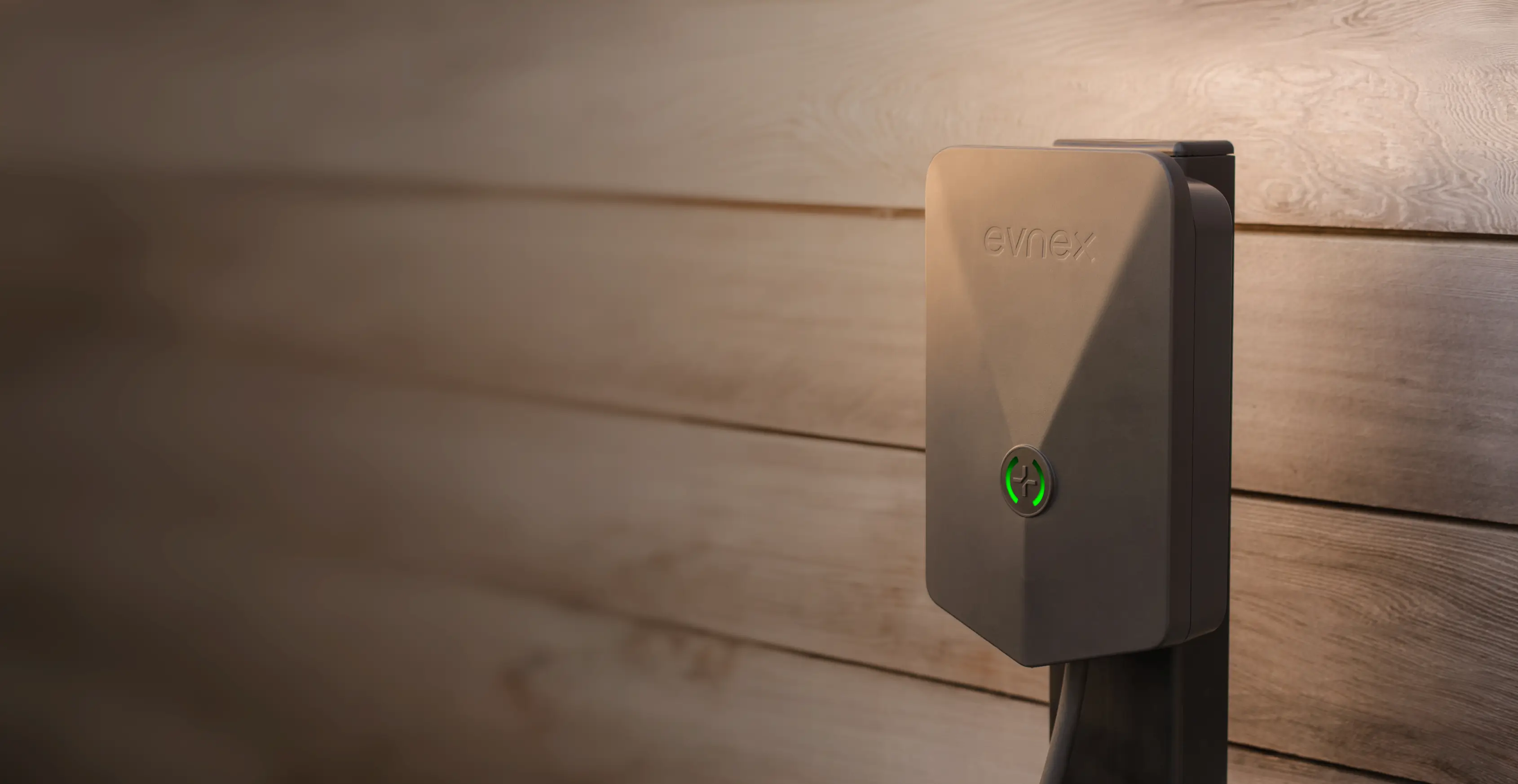
The Evnex E2 range is one of the world's slimmest EV chargers - just 66mm deep.
Dimensions for our X22 charger are 373 x 212 x 142 mm
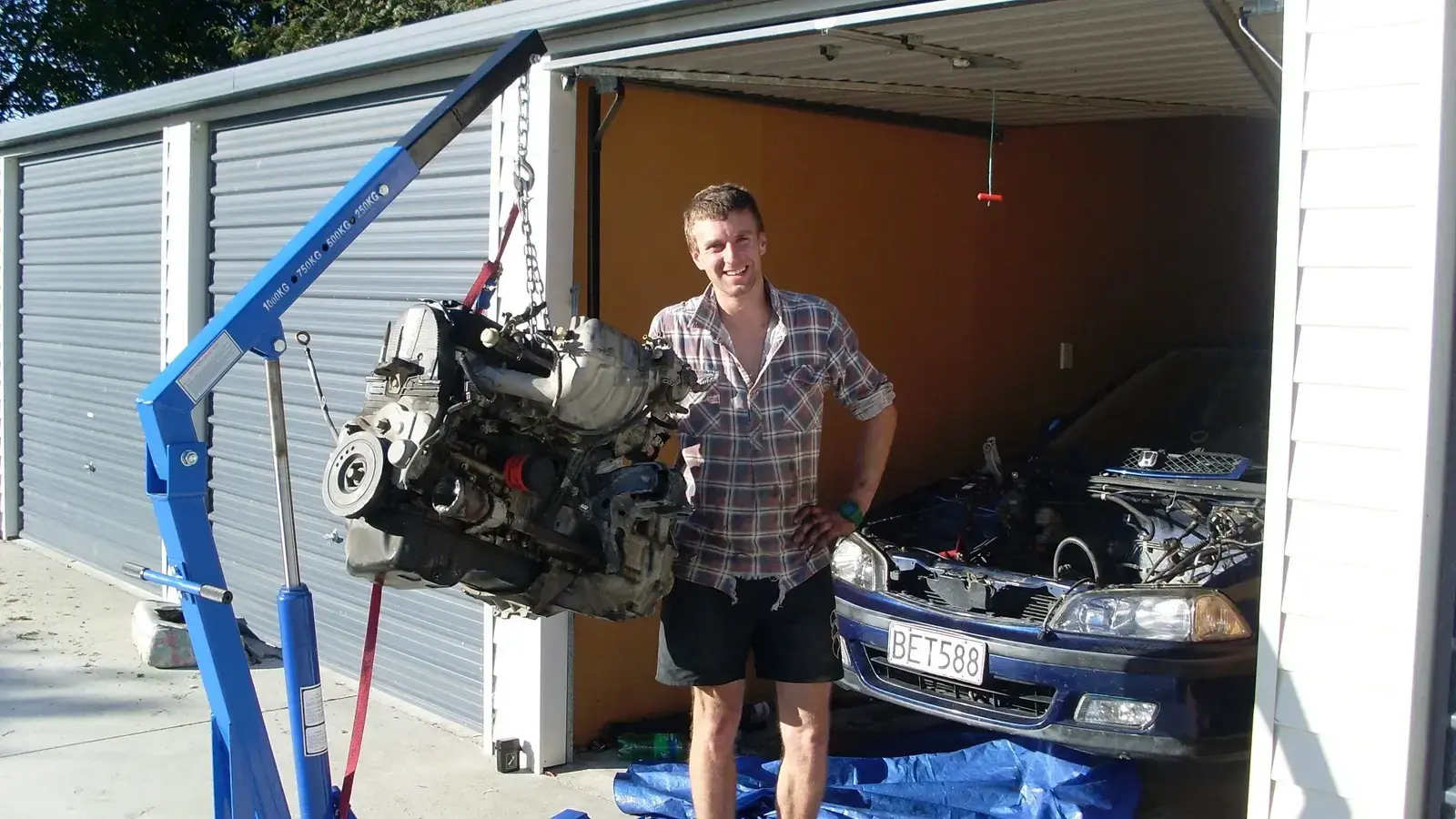
Ed Harvey founded Evnex in Christchurch in 2014 after converting his Honda Accord to electric, making it one of New Zealand's first EVs. He couldn't find a home charger built for local conditions, so he built one himself.
He still runs the company. We still build every charger here. And every decision, from the components we use to the way our support team serves our customers, comes from people who actually use what we make.

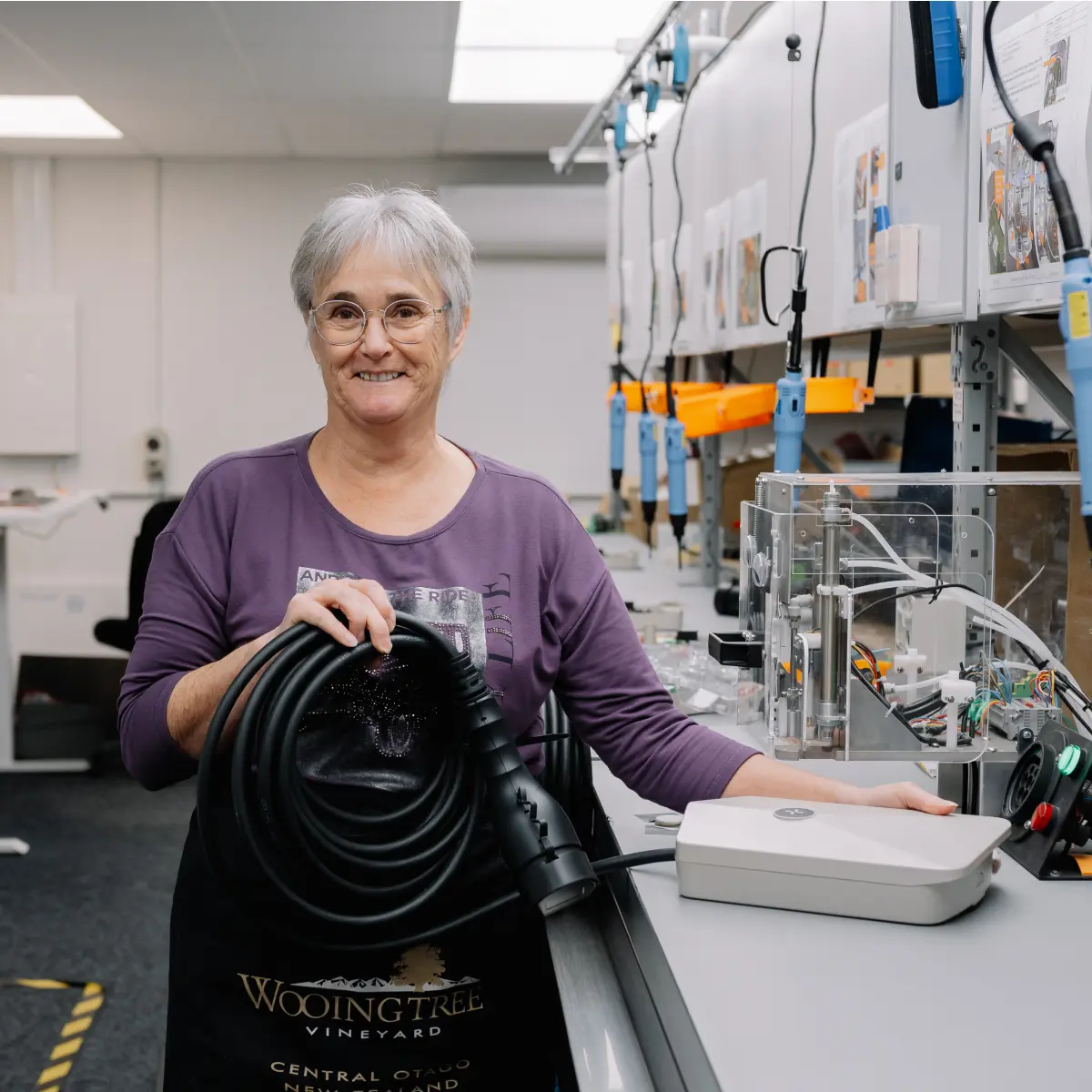
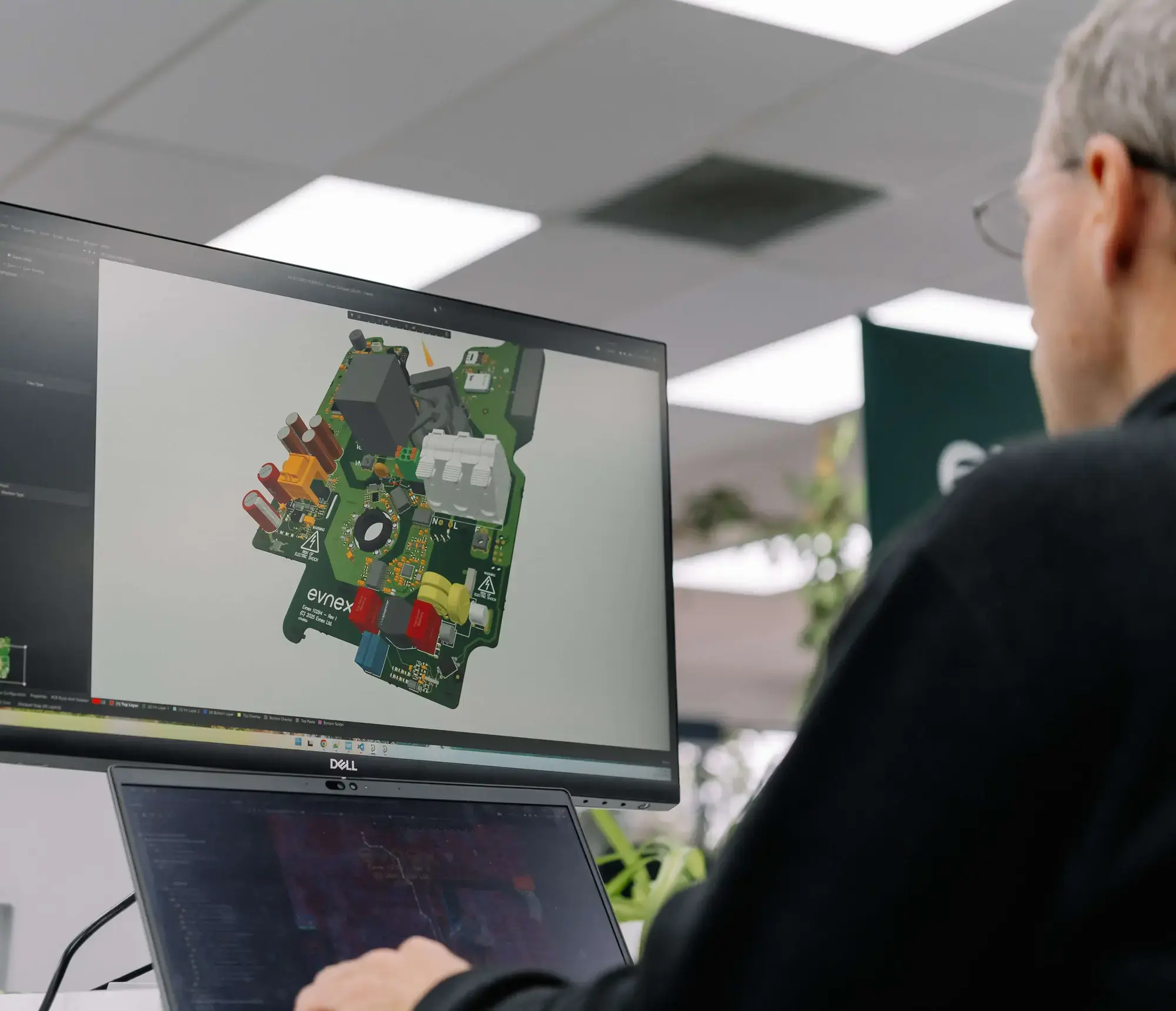
Every Evnex charger is built in Christchurch, using local suppliers where we can. Our engineers design for Australian conditions because they live in them. And our support team is based here too, on the phones seven days a week for the life of your charger.














.webp)
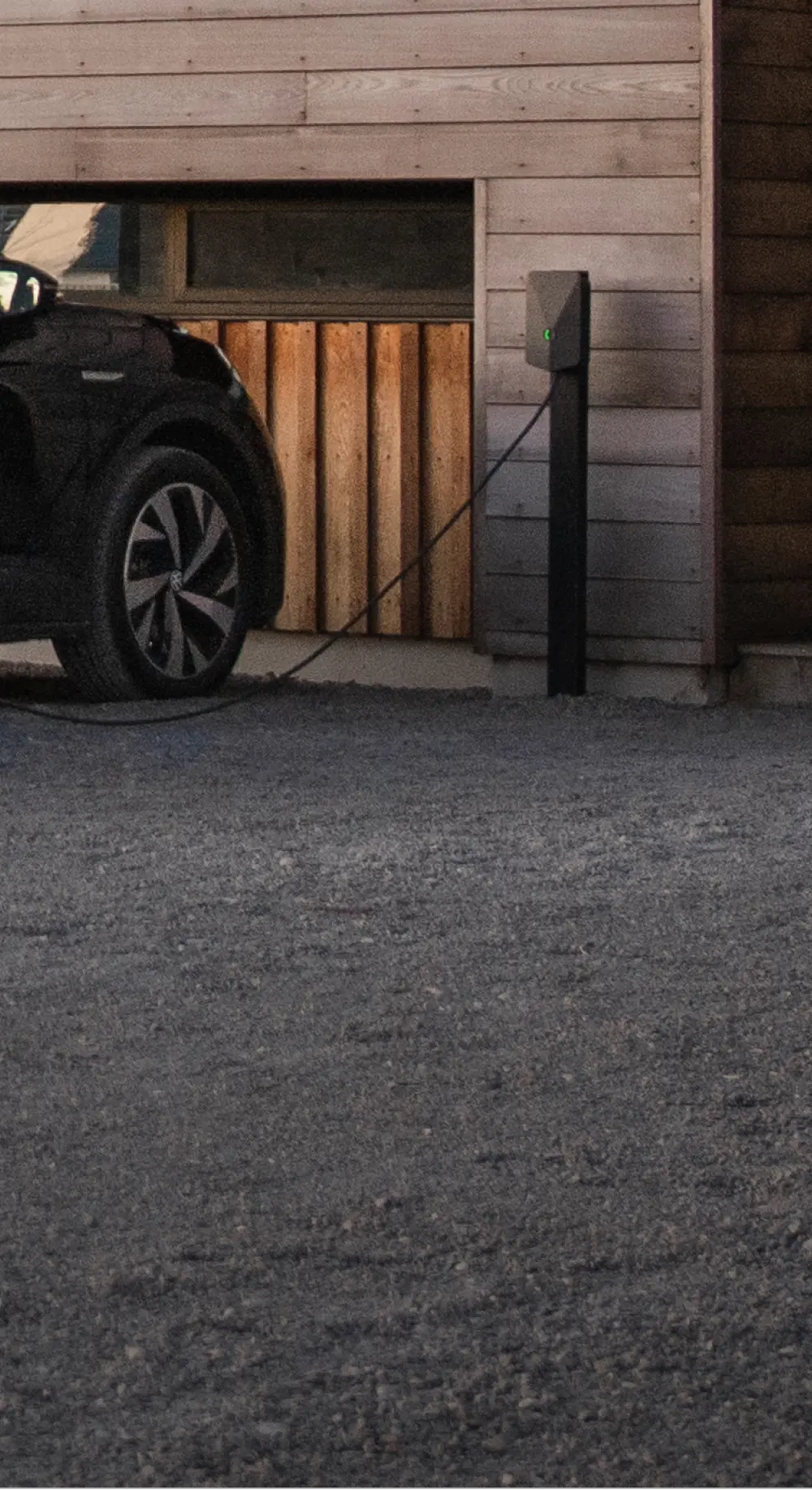

You can choose to get your Evnex charger installed via us, or purchase the charger on its own and get your preferred electrician to install it.
Our base price for install starts from $901 (plus the cost of the charger). This price assumes you have a simple installation; as a rough guide, this usually means you're installing the charger within 1 metre of your switchboard, and it's on the ground floor of your home.
Install price will vary with added complexity. You can read more about what goes into installation pricing here, or get a quick, obligation-free quote online here.
As a rough guide, our 7.4kW chargers (the E2 range) will get you up to 50km of range per hour of charging.
The X22 can get you up to 120km of range per hour of charging.
However, the charging speed of your vehicle depends on several factors including the model of your vehicle, its battery size, the electrical capacity of your home, and the type of charger you use.
For personalised recommendations and to find the best solution for your charging needs, please contact our sales team. They’ll be able to help you choose the optimal setup for your vehicle and home.
Yes. The E2 Flex comes without solar smarts, but you can add this for a one-time fee of $349. The upgrade to solar is a software update, so there's no need for an electrician to return to your home and tinker with the charger again.
The E2 Flex will pull power from the grid, plus solar if you have it — but doesn't have the solar smarts required to control solar charging like our other chargers do. You can unlock solar smarts on your E2 Flex for a small fee.
If you're planning on getting solar soon, we'd recommend purchasing an E2 Core or E2 Plus, as these come with solar smarts built in.
A standard home EV charger, like ours, draws about 32 amps. To put this in perspective:
This means if you’re using a lot of other electrical appliances — e.g. a heat pump, oven, lights, and dishwasher — then charging your EV on top of this could cause an overload.
When your charger is installed, it will be set up with overload protection: this allows the charger to monitor your home's power supply and adjust charging speed to prevent overloading your circuits and tripping the power.
All Evnex chargers come with overload protection, so you can keep your home or business safe while charging.
You can read more about home overloads and how to prevent them here.
Yes, all Evnex chargers are compatible with the vast majority of EVs.
If you have an unusual make, or have an import requiring a Type 1 charging cable, reach out to our sales team (sales@evnex.com) and they'll discuss how we can best meet your needs.

