
Home charging for Queensland drivers just got a whole lot easier. Energex and Ergon Energy Network have removed the rule that forced single-phase home chargers charging speed to be turned down or controlled by the network.
From 1 October 2026, you can have a full speed single-phase EV charger installed at your Queensland home without any switchboard modifications. It's a change we've been pushing for, and we're pleased to see it finally land.
What has changed with EV charger rules in Queensland?
Until now, single-phase home EV chargers in Queensland had to be limited to 20A (about 4.6 kW) or controlled by the network, which could temporarily switch your charger off during busy times.
From 1 October 2026, a single-phase 32A charger (7.4 kW) like any in Evnex’s E2 range, can be installed without a network control device and commissioned to the full 32 amps. The change applies across both Energex and Ergon Energy Network areas.
The legislation still requires that EV chargers in Queensland don’t exceed your home's maximum power limit. The good news is that all Evnex chargers have home overload protection built in, which makes our chargers compliant for most homes. Other ‘dumb chargers’ like those you’d purchase from your local hardware store don’t have overload protection and will likely require additional paperwork and expensive switchboard upgrades in order to have them installed.
What does this mean for EV owners in Queensland?
In short: faster home charging. A charger running at 32A delivers around 60% more power than one limited to 20A, as long as your car can accept 7.4 kW. Charging at 7.4 kW will add up to 50km of range per hour to your EV.
It also means:
- No network device to install
- No need for a controlled tariff to get full charging speed
- No switching off charging at times of peak demand
- New installs can go in at full speed from day one.
Can I increase my existing Evnex charger to 32A?
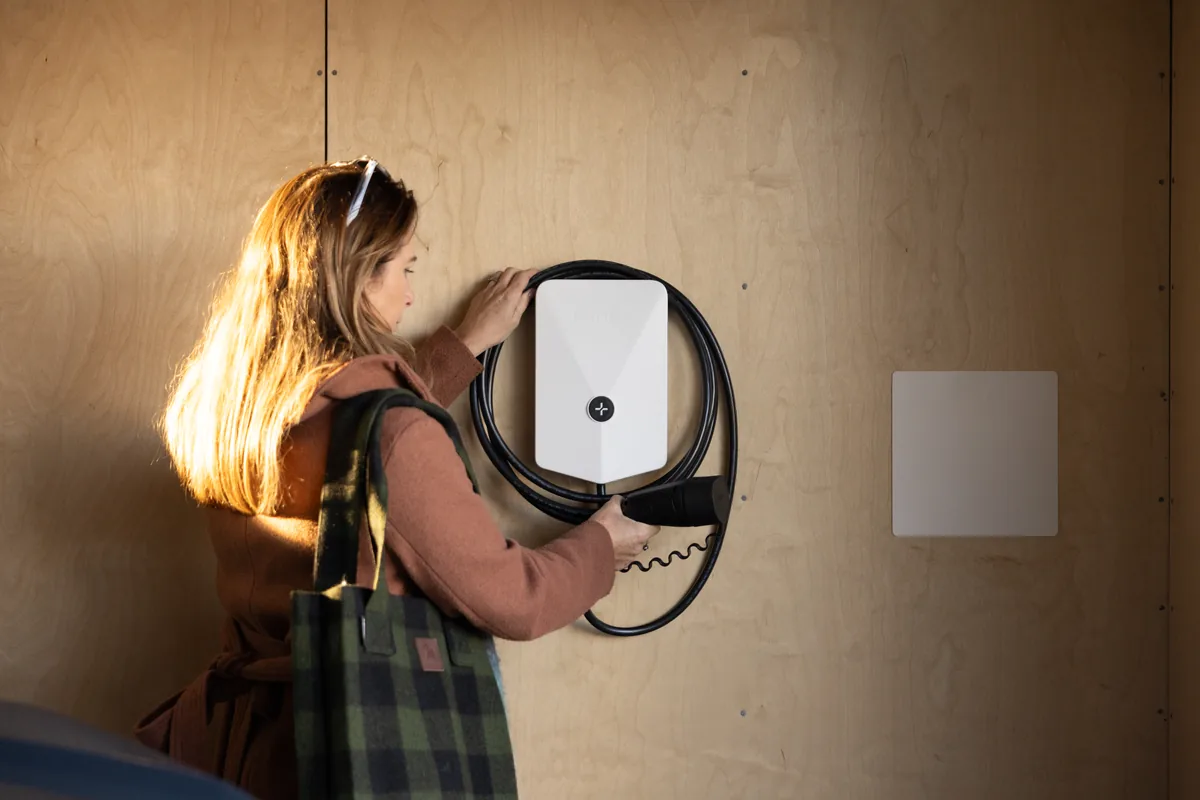
Yes, one of the benefits of having an Evnex smart EV charger is that we can remotely upgrade it. Safety comes first though, so we won't increase any charger until it's confirmed as safe to do so by the certifying electrician.
If you have a single phase Evnex EV charger that’s currently limited to 20A, you may be able to unlock its full charging speed via an upgrade. Enter your details here and we’ll check if your charger is eligible. We won’t make any changes without your permission.
Can I increase my non-Evnex branded charger to 32A?
Possibly, but it depends on your charger, and you'll need to go through your charger's manufacturer or installer. The same safety rule applies: an electrician needs to confirm your wiring and your home's electrical capacity can handle a 32A charger before any changes are made.
Your first step is to contact your EV charger company. If you can't reach them, try the electrician who installed it. They'll know your setup and whether your charger can be adjusted.
And if you'd rather deal with a local team that handles all of this for you, you already have a charger circuit in place, so moving to an Evnex charger is usually simpler install than the first one.
Can I increase my non-Evnex branded charger to 32A?
Possibly, but it depends on your charger, and you'll need to go through your charger's manufacturer or installer. The same safety rule applies: an electrician needs to confirm your wiring and your home's electrical capacity can handle a 32A charger before any changes are made.
Your first step is to contact your EV charger company. If you can't reach them, try the electrician who installed it. They'll know your setup and whether your charger can be adjusted.
And if you'd rather deal with a local team that handles all of this for you, you already have a charger circuit in place, so moving to an Evnex charger is usually simpler install than the first one.