

There's no shortage of EV content online, but most of it assumes you already know your kilowatts from your kilojoules. We've collected the questions our customers and support team hear most, and answered them like actual humans.
Will EV charging blow up my power bill?
This is one of the most common worries people have before switching to an EV, and the short answer is: no, not even close. Charging at home is significantly cheaper than filling up with petrol, and in most cases your power bill increase will be far less than what you were spending at the pump.
To put some rough numbers on it, charging a typical EV at home costs around $2-$5 per 100km. Compare that to filling a petrol car for the same distance and you're looking at $15-$25 depending on the car and fuel prices. Even after factoring in the increase to your power bill, most households come out well ahead.
Throw solar panels into the mix, and it gets even better.
Want to know exactly what it costs to charge at home? This 3-minute quiz takes your vehicle, home setup and driving habits to calculate your weekly charging cost.
Will fast charging degrade my battery?
Fast charging has a pretty bad rap in the EV charging world. Let us clear this up.
There are two ways to charge your EV:
- AC power: Any charging done in your home, including a 3-pin plug (trickle charger), and a faster home EV charger are both AC power. If charging on a trickle charger you can expect to add up to 10km of range per hour. Home EV chargers on AC power can add about 40km to 120km of range per hour, depending on your charger and vehicle.
- DC power: This is rapid charging done on the large public chargers, they are significantly faster than AC power. The fastest ones can charge most EVs from 20% to 80% in under 20 minutes.
Battery degradation in EVs usually comes down to heat. When charging generates lots of heat, the battery can be affected. The good news? Fast charging on AC power doesn't produce anywhere near enough heat to affect your battery.
Rapid DC chargers push a lot more power than a home charger (we're talking 100 kW+ compared to 7 - 22 kW at home). More power means more heat, and heat is what wears batteries down over time. That said, modern EVs are much better at managing it than older models were. The odd top-up on a road trip is nothing to worry about, it's only if you're relying on rapid chargers day in, day out that it becomes a factor.
My house is old. Can I still get a charger installed?
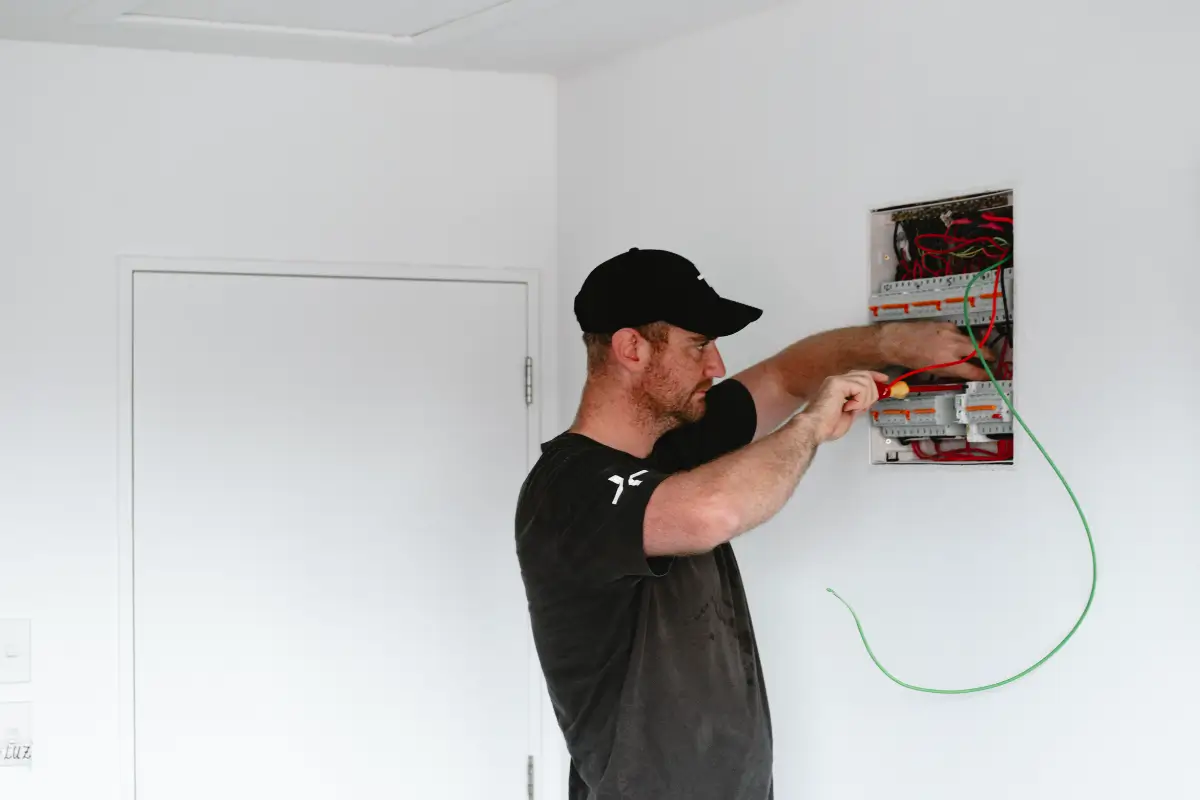
Yes, you absolutely can. We’ve installed chargers in 100+ year old homes without a hitch. In fact, it is often safer to install a dedicated smart EV charger into older homes than using the standard wall plug.
Your EV charger gets wired by an electrician onto a brand new, dedicated circuit on your switchboard. This means fresh wiring, and your EV charger is kept separate from all your existing wiring and appliances in your home.
A quality smart EV charger should also have home overload protection built in, which will automatically slow or switch off your EV charger if power use in your home starts to get too high.
When installing an Evnex smart charger, your electrician also has the option to reduce the maximum capacity of your charger. This adds an extra safety buffer if your home’s wiring is not looking up to scratch.
Do I need to charge my EV every night?
Nope. This is one of the biggest adjustments for new EV owners, and it catches a lot of people off guard because it's so much easier than they expected.
A lot of new EV owners treat their car like a phone and stress about plugging in daily. In reality, most people only need to charge once or twice a week depending on their driving.
Most people don't drive anywhere near their EV's full range in a day. The average Kiwi drives around 30 - 40km a day. A typical EV has a range of 300–400km on a full charge. So even after a full week of driving, most people have only used a fraction of their battery.
Can I charge my EV in the rain?
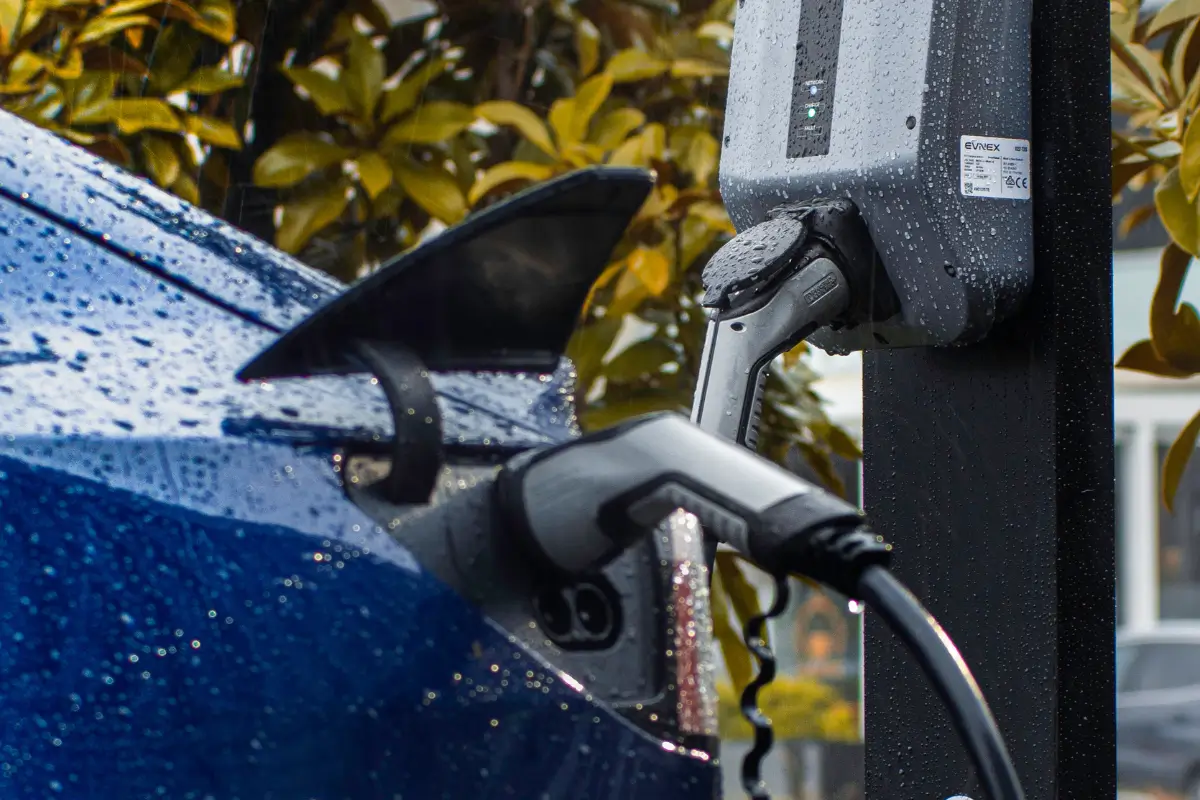
Yes, you can absolutely charge your EV in the rain. In fact, it was carefully considered from the outset when international EV charging safety standards were being developed. Everything from the connector pins to the way your car talks to the charger is designed to keep you safe, no matter the weather.
As an additional safety mechanism, a quality smart EV charger should have overload protection built in, which will shut down charging the moment something looks fishy.
Can I install a charger in my apartment building?
This one is a little more complicated, as there are a few more stakeholders involved when it comes to installing a charger in a shared building. For many, this puts installing a charger in the ‘too hard basket’, but it’s not impossible. If you are wanting to go down this route you’ll be best to do a bit of pre-work by contacting your body corp:
- Find out if you can connect to your own apartments switchboard. This would require an electrician to run cable through common areas and into your carpark space (this may require consent from other residents in your building too). In some cases your switchboard will be located near the carpark, which will make your installation simpler (and more affordable).
- If your body corp allows wiring into a communal switchboard closer to the carpark, you will need to get clarity around how they plan to on-charge the power your charger uses
- If there are other EV chargers already installed in your building, your electrician will want to make sure they're not collectively drawing too much power. The ideal setup is having all chargers on the same brand, so they can talk to each other and automatically dial back when the building's power use gets high (in electrician speak, this is called local load management, or LLM). You don't need to understand the ins and outs of this (your electrician will sort it), but it's worth knowing it might come up."
It's a lot to navigate, and we won't pretend it's always straightforward. But it is getting easier. As EV adoption continues to rise, building developers are now making allowances for EV charging in the design of their buildings.
Can I plug a smart charger directly into an existing wall socket to save on electrician costs?
Unfortunately not. A smart EV charger has significantly more power capacity than a wall socket, charging up to 10 times faster. This added power capacity means it needs to be wired directly into your home’s switchboard and on a dedicated circuit. Any wiring of that nature needs to be completed and certified by an electrician.
Is EV charging the reason power prices are going up?
No. In fact, EV charging is actually pushing energy retailers to offer better-value plans, there are a few reasons for this:
- Off-peak demand: EV charging can put extra demand on the grid, so it makes sense for everyone if EV owners charge during off-peak times (it’s cheaper for you, and less strain on the grid). Many retailers are offering plans with this in mind, with cheap or free power at nights or weekends.
- Power companies want your business: To put it simply, EV charging is a huge new opportunity for power companies to make money – it’s in their best interest to incentivise that so you stick with them.
